Love Machine: A Designer’s Real-World Embroidery Review
First Impressions: Sweet, Simple, and Surprisingly Versatile
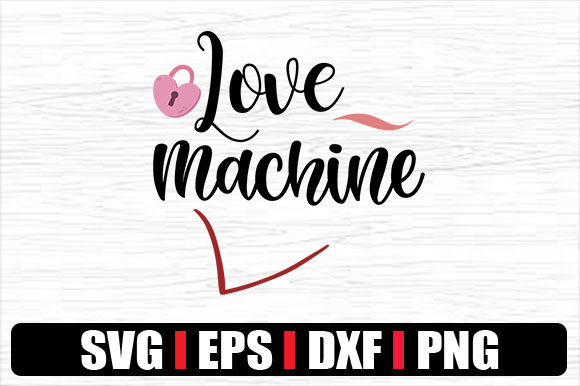
When I opened Love Machine, I wasn’t expecting a showstopper—but I was immediately struck by its quiet confidence. It’s not fussy or overdesigned; it leans into the warmth of Valentine’s Day with clean lines, balanced spacing, and that unmistakable handmade charm. The phrase “loving Valentine’s Day Quote designs” tells you exactly what you’re getting: a heartfelt sentiment rendered in a way that feels both timeless and contemporary. As an embroidery designer who tests hundreds of digital embroidery files each year, I appreciate how Love Machine avoids visual clutter—no excessive swirls, no fragile script, no micro-details that vanish under thread. That simplicity is its strength.
A Real Project Test: Embroidering a Linen Tote for a Local Boutique
Last week, I used Love Machine on a natural linen tote bag destined for a small shop’s holiday gift collection. We chose a soft rose thread on off-white fabric, paired with a medium-weight cutaway stabilizer. The result? Crisp satin stitch outlines, even fill areas, and zero puckering—even across the tote’s slightly textured surface. Customers loved how legible and inviting it looked from three feet away. Not too cutesy, not too formal—just warm, sincere, and quietly confident. That’s the sweet spot Love Machine hits consistently.
Where It Shines (and Where to Pause)
Love Machine works beautifully on custom apparel like crewneck sweatshirts and cotton tees—especially when stitched with high-quality polyester thread for durability. It’s equally effective as a machine embroidery design on baby onesies (small hoop size friendly), tea towels (great contrast on dark weaves), and embroidered patches meant for aprons or denim jackets. As a tote bag design or pillow cover motif, it adds personality without overwhelming the item’s function.
That said, I’d advise caution on highly stretchy fabrics like lightweight knits unless you use excellent stabilizer and reduce stitch density manually. On curved surfaces—think caps or baseball hats—the letter spacing holds up well, but test first: some fonts compress awkwardly when wrapped. And while the design reads clearly on light backgrounds, always run a black-and-white mockup before committing to dark fabric: subtle line weight differences can get lost in low-contrast scenarios.
Design Integrity Meets Practical Craftsmanship
What makes Love Machine stand out isn’t just aesthetics—it’s how thoughtfully it translates into a finished product. The vector SVG foundation means you can scale it cleanly for large sweatshirt backs or shrink it down for a delicate baby bib without pixelation or jagged edges. The included PNG files with transparent backgrounds are perfect for printable mockups, Etsy listings, or social media previews—crucial for craft business owners who need polished visuals fast.
I’ve seen too many “Valentine’s quote” designs fall apart in execution: thin strokes break under dense fill, kerning collapses at small sizes, or decorative flourishes snag on seams. Love Machine avoids all of that. Its letterforms have generous counters and consistent stroke weight—ideal for satin stitch definition. There’s no tiny serifs or fine interior details that demand ultra-fine needles or special thread. That reliability builds customer trust: when your personalized gift arrives looking exactly like the preview—and stitches cleanly every time—it reinforces your professionalism as a maker.
Commercial Use & Brand Fit: What You Should Know
If you’re an Etsy seller or small shop owner building a cohesive seasonal collection, Love Machine fits right in. It pairs effortlessly with minimalist packaging, neutral-toned merchandise, and brands that value authenticity over flash. It doesn’t scream “sale”—it invites connection. That subtlety increases giftability, especially for wedding favors, teacher appreciation bundles, or boutique nursery decor.
But remember: this is a digital embroidery file—not a pre-stitched patch or physical kit. Before listing finished items for sale, confirm the license permits commercial embroidery use. Some Graphics assets allow unlimited physical products but restrict resale of the digital file itself. When in doubt, check the terms—not assumptions.
Five Must-Do Designer Checks Before Stitching
- Test on scrap fabric first—especially if using textured, dark, or blended fabrics.
- Review thread color contrast in natural light; screen colors lie more often than we admit.
- Inspect stitch density in your embroidery software—avoid overly dense fills on lightweight cotton or baby items.
- Confirm hoop size compatibility—Love Machine is flexible, but don’t force a 5×7 design into a 4×4 hoop without adjusting layout.
- Use proper stabilizer: cutaway for knits, tear-away for stable wovens, and fusible + cutaway for delicate linens or napkins.
Final Thought: Less Is More—Especially With Love
In a market flooded with ornate, over-engineered embroidery files, Love Machine reminds us that clarity, sincerity, and craftsmanship matter most. It doesn’t try to do everything—and that’s why it does so much well. Whether you’re stitching a one-off personalized gift or producing 50 holiday totes for your craft fair booth, this design supports your intention instead of competing with it. It’s not flashy. It’s faithful. And for makers who value real-world performance over pixel-perfect promises, that’s the highest compliment.