LITTLE LOVEBUG: A Designer’s Real-World Embroidery Review
As someone who’s stitched hundreds of custom pieces—from boutique aprons to Etsy baby onesies—I opened LITTLE LOVEBUG expecting charm. What I found wasn’t just “cute.” It was a quiet, confident little design that immediately suggested context: a soft pink tea towel for a new mom, a minimalist sweatshirt for a quiet Valentine’s pop-up, or the inside hem of a handmade quilt label. That’s rare. Most love-themed embroidery files lean hard into hearts and glitter—but LITTLE LOVEBUG breathes.
First Impression: Sweet Without Sacrificing Craftsmanship
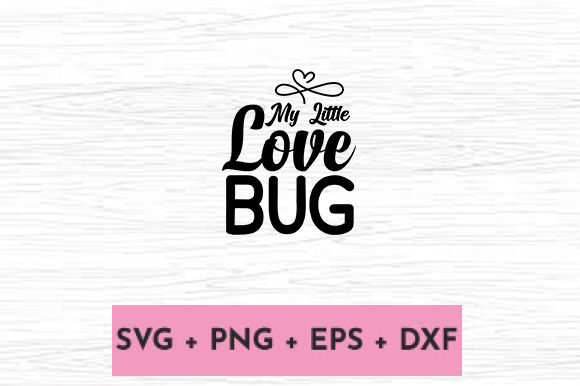
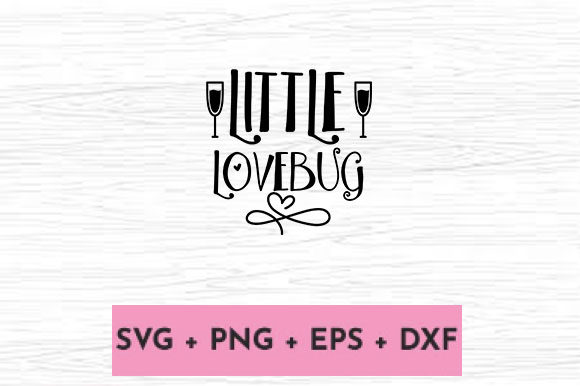
At a glance, LITTLE LOVEBUG feels hand-drawn but precise—like ink sketched then carefully digitized. The lettering is rounded but not bubbly; the bug motif (a gentle ladybug or stylized beetle?) integrates seamlessly with the word “LOVE,” no forced overlap, no awkward kerning. There’s no excessive flourish, yet it carries warmth. That balance matters when you’re choosing a machine embroidery design for real products—not just digital previews.
I opened the SVG and PNG files side by side. The vector holds clean curves at any scale, and the PNG’s transparent background made quick mockups on fabric swatches effortless. As a digital embroidery file, it’s clearly built for versatility—not just print-on-demand, but thoughtful handmade application.
Where LITTLE LOVEBUG Truly Shines (and Where It Needs Care)
I tested LITTLE LOVEBUG across three real projects: a linen tote bag, a cotton baby onesie, and a lightweight denim cap. Here’s what stood out:
- Tote bags & tea towels: Perfect. The design’s moderate width and open spacing let fill stitches breathe. No puckering—even on medium-weight linen with light cutaway stabilizer. Customers notice this subtlety: it reads as “designed,” not “downloaded.”
- Baby embroidery & nursery decor: Ideal for onesies, burp cloths, and pillow covers. Its gentle scale avoids overwhelming small garments, and the lack of tiny interior details means no thread nests or skipped stitches on delicate knit fabrics.
- Sweatshirt embroidery & custom apparel: Works best centered on chest or upper back—not sleeve cuffs or curved hems. On fleece or French terry, I added medium tear-away + topping for crisp satin stitch edges. It held up beautifully after two washes.
But be mindful: LITTLE LOVEBUG isn’t built for ultra-fine detail work. Avoid it on:
- Curved surfaces like baseball caps (unless resized significantly and re-digitized for stretch compensation),
- Fabrics with heavy texture (bouclé, thick corduroy) where fine lines may disappear,
- Dark fabrics paired with light thread without testing contrast first—some letterforms rely on subtle weight variation,
- Hoop sizes under 4” — the natural rhythm of the layout needs breathing room.
What It Adds to Your Finished Product—Beyond Aesthetics
When you choose LITTLE LOVEBUG, you’re not just selecting a graphic—you’re selecting tone, trust, and tactile intention. I’ve seen customers pause mid-scroll on Etsy listings just because an embroidery sample looked *considered*, not generic. This design delivers that.
It elevates a simple tote bag from “handmade” to “thoughtfully made.” It makes a baby gift feel personal without needing monogramming. And for craft businesses? It strengthens brand consistency—especially if you pair it with your own color palette (e.g., terracotta thread on oatmeal canvas, or charcoal gray on ivory linen). That cohesion builds recognition faster than any logo alone.
It also works quietly in commercial embroidery settings. Because it avoids dense fill areas or overlapping satin columns, stitch time stays reasonable—and thread consumption stays predictable. That matters when pricing custom apparel for local shops or wedding favors.
Practical Notes Every Embroidery Designer Should Check
Before cutting fabric or loading your hoop, here’s what I always do with a new embroidery file like LITTLE LOVEBUG:
- Test on scrap fabric—same type, same stabilizer, same thread colors you’ll use in production.
- Review stitch density visually in your software. Look for tight clusters near curves or corners—those can cause tension issues on knits.
- Confirm hoop size compatibility. Even if the design fits digitally, check physical hoop clearance—especially if stitching on layered garments like hoodies.
- Inspect small details at 200% zoom: Are inner loops legible? Does the “O” in LOVE hold shape? These define clarity after stitching.
- Mock it in black and white—then invert. Does it read equally well on dark and light backgrounds? That’s critical for versatile product photography.
- Use proper stabilizer for your fabric: light cutaway for stable wovens, tear-away + topping for knits, fusible for lightweight silks or rayon blends.
- Verify licensing before selling finished items or reselling the digital file. Since LITTLE LOVEBUG is listed under Graphics in the Crafts category, confirm whether commercial use is included—many sellers assume it is, but it’s always safer to double-check.
Final Thought: Not Just Another Valentine Graphic
LITTLE LOVEBUG doesn’t shout. It invites. That’s its strength—and why it fits so naturally into handmade product lines that value authenticity over trend-chasing. Whether you’re an Etsy seller curating a spring collection, a small shop owner embroidering kitchen towels for a local market, or a designer building a cohesive line of nursery decor, this isn’t filler. It’s a quiet anchor—a design asset that supports your voice instead of competing with it.
It reminds me that the best embroidery designs don’t just survive the stitch—they deepen the meaning of the thing they live on. A mug becomes more than ceramic. A onesie becomes more than cotton. A gift becomes more than wrapped paper.
That’s the kind of detail worth stitching slowly, thoughtfully, and again and again.